
You've done the work. The room still describes you the way it did three years ago. Six weeks to close the gap between what you actually do and what people say you do.
One is the work you actually do now. The other is the version stuck in everyone's head. Every week they stay out of register, you pay for it in deals you never hear about.
The person introducing you describes the work you were doing three years ago, and you spend the first ten minutes correcting the frame instead of selling.
When nobody can name what you're best at, the only difference left on the table is the number. So you discount to stay in the running.
People refer what they can repeat. If your positioning takes a paragraph, it doesn't travel past the room you're standing in.
Printers call it registration. When the plates line up you get a clean image. When they slip, you get a blur nobody can read. We line up your three plates.
We pull the raw material. Every project, every result, every sentence people already use about you when you're not in the room.
We find the one claim that survives contact with your actual receipts, and we cut everything that doesn't. Most people lose eighty percent of their bio here.
We rebuild the bio, the intro, the site and the pitch off that single claim, so every surface says the same thing in the same words.
Average lift in inbound referrals within one quarter.
Weeks start to finish. No open-ended engagement.
Of alumni raised or restructured their pricing inside 60 days.
I'd been describing myself the same way for nine years. It took four days to find out the sentence was wrong.
A full inventory of your delivered work and the language already attached to it, pulled from your own material and from what clients actually say.
Ninety minutes a week, small group, cameras on. You leave every session with something rewritten, not a list of notes.
One sentence, three supporting proofs, and the short and long versions of your bio, tested against people who don't know you.
Your intro, your site header, your profile and your pitch, all rebuilt off the claim so nothing contradicts anything else.
One session three months out to confirm the positioning held once it met the market.
Fig. 02 — In register
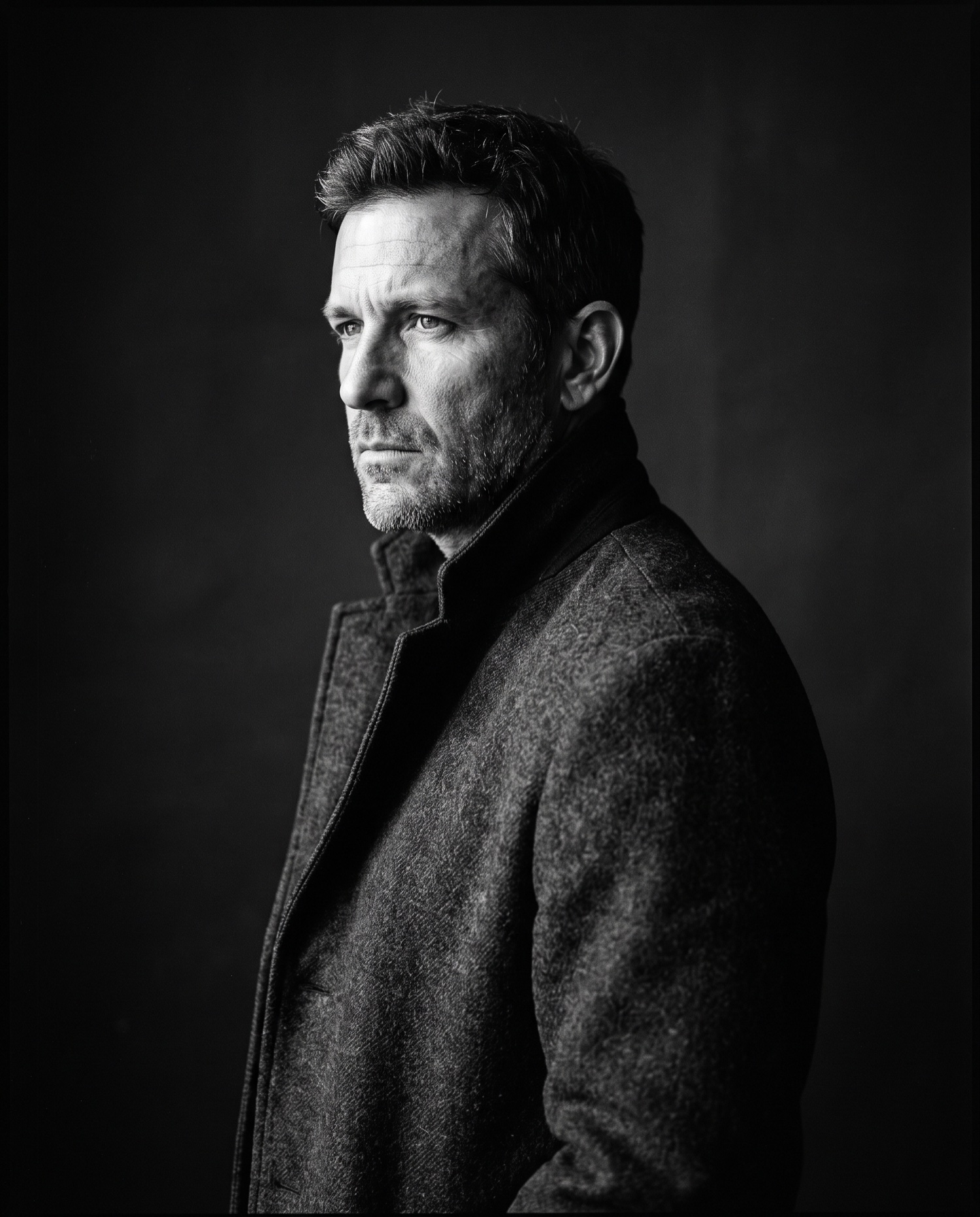
He spent nineteen years writing positioning for agencies that billed six figures for it, and watched most of it die because nobody in the client's building could repeat it.
Second Exposure strips that process down to what actually moves: one claim, proven by receipts, short enough to survive being retold by somebody else.
One ninety-minute session plus about two hours of work on your own. If you can't give that, wait for a cohort where you can. The work doesn't compress.
No. You write it, in the room, with the whole group pressure-testing it. Positioning somebody hands you is positioning you can't defend when a client pushes back.
Then we register one and park the other. Splitting the claim is the exact problem you're paying to fix.
The ninety-day check is included. There's no upsell after that. You leave with the material and you own it.
Twelve seats in Cohort 07. Applications close Friday. Tell us what you do and we'll send back the positioning review before we ever talk about money.
We've got it. You'll hear back within two business days with your positioning review, or a straight answer that this isn't the right fit.